Smart Homes and Building Technology
- Rana Pratap

- Jun 27, 2025
- 2 min read
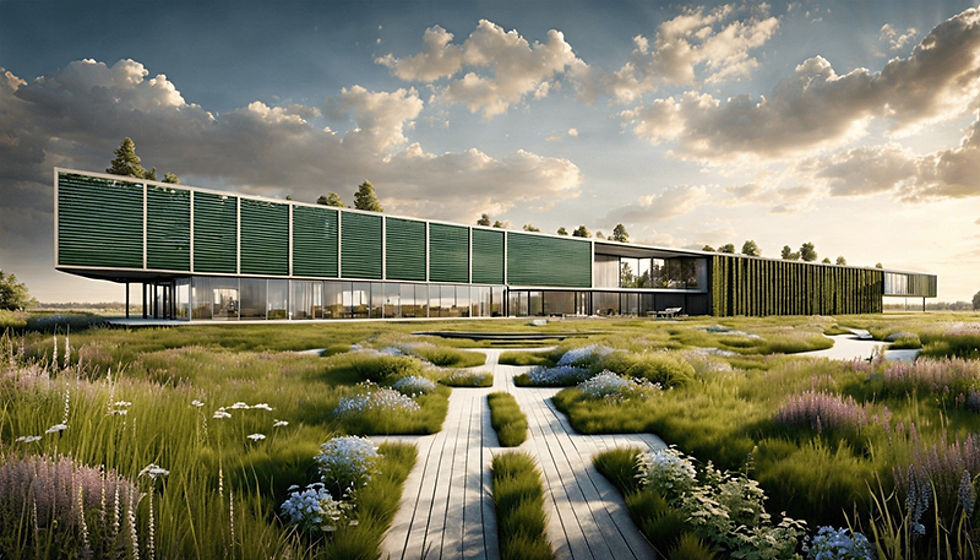
Smart homes integrate advanced technology to enhance convenience, security, and efficiency through interconnected devices managed via centralized systems. Specific details about AAA Architects' "Bhaskar Residence" project are shown in the images below, the following analysis synthesizes core smart home technologies applicable to high-end residential designs like those in AAA Architects' portfolio, drawing from verified industry implementations.

Core Smart Home Technologies
1. Centralized Control Systems
Smart hubs (e.g., Yale Home App, Kwikset Home Connect) enable remote management of locks, lights, and appliances via smartphones or voice assistants.
Cross-device automation allows triggers (e.g., unlocking doors activates hallway lights).
2. Security and Access
Smart locks (Yale, Kwikset) offer keyless entry, remote access control, and activity logs. Features include:
Auto-lock/unlock via geofencing.
Temporary access codes for guests.
Door position sensors to prevent accidental unlocks.
3. Kitchen Automation
Smart appliances enhance functionality:
Refrigerators with internal cameras for inventory checks.
Ovens and dishwashers controllable remotely (e.g., adjusting cook times).
Voice-controlled microwaves and coffee machines.
Energy optimization via automated climate control and adaptive water usage in dishwashers.
4. Bathroom Innovations
Smart toilets integrate with home ecosystems for:
Touchless flushing and self-cleaning cycles.
Customizable settings (seat temperature, water pressure) via apps.
Water conservation (0.6 gallons per flush vs. standard 1.6 gallons).
Leak detectors with humidity monitoring prevent water damage.
5. Sensor Networks and Analytics
Environmental sensors track air quality, temperature, and occupancy, feeding data to HVAC systems for efficiency.
Predictive analytics identify usage patterns, enabling proactive maintenance.

Integration in Residential Architecture
AAA Architects’ projects (e.g., Bhaskar Residence) emphasize sustainability and personalized design. Integrating the above technologies would align with their approach by:
Prioritizing user-centric automation: Custom scenes (e.g., "morning mode" activating kitchen appliances and bathroom heaters).
Enhancing sustainability: Energy/water savings from smart appliances and toilets reduce environmental impact.
Ensuring security: Unified access control via apps centralizes management across locks, gates, and garages.
Implementation Considerations
Ecosystem compatibility: Devices must support platforms like Google Assistant or Amazon Alexa for seamless control.
Infrastructure requirements: Robust Wi-Fi and hubs (e.g., Yale Connect Bridge) are essential for remote functionality.
Privacy and security: End-to-end encryption in apps and regular firmware updates mitigate hacking risks.
This framework reflects how AAA Architects’ signature blend of modern aesthetics and functionality could be augmented with current smart home standards.


Comments