The Architecture of Transitional Spaces

Updated: Oct 16, 2025
Every built environment relies on thresholds—those often-overlooked transitional zones that shape human experience. By exploring thresholds as dynamic, interactive, and symbolic elements, architects can craft more memorable, inclusive, and meaningful spaces.
Introduction
Traditional architecture often treats thresholds—entryways, corridors, lobbies—as mere passage points. Yet these in-between areas wield immense power in setting expectations, regulating movement, and creating moments of pause. This post delves into unconventional approaches to thresholds that provoke new ways of thinking about space, materiality, and user engagement.

1. Layered Spatial Sequences
Instead of a single doorway, consider a series of progressively revealing spaces. By designing layered thresholds—each with distinct light, scale, or material—you can build anticipation and shift mood gradually. In residential architecture, for instance, a semi-enclosed courtyard followed by a glazed vestibule and then a wooden foyer can foster a ritualistic journey from public to private realms. This technique reinstates a sense of ceremony often lost in modern homes.
2. Interactive Facades as Thresholds
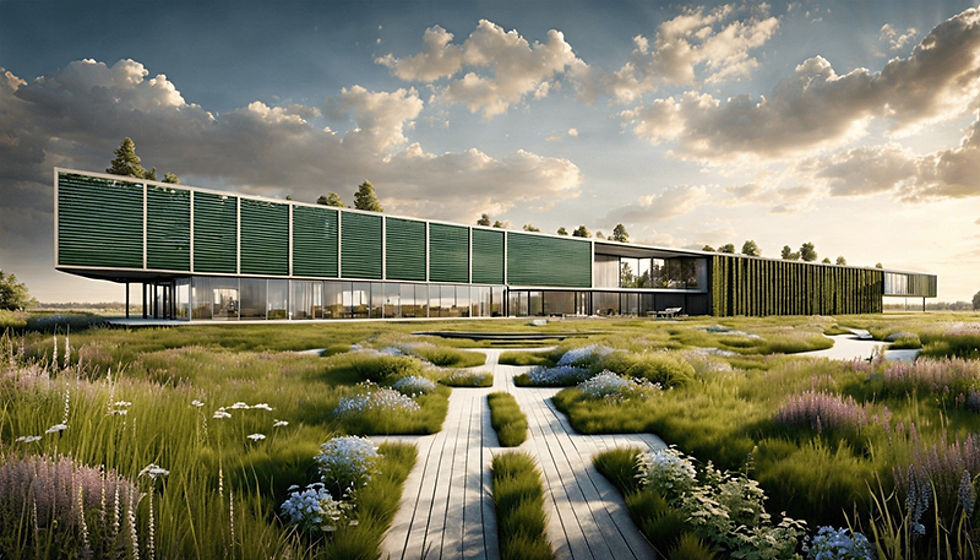
The building envelope itself can become an active threshold. Kinetic panels, adjustable louvers, or sensor-driven screens engage occupants and passersby, turning facades into participatory thresholds. These systems respond to movement, light, or even social media triggers, collapsing the separation between interior and exterior and making entry an immersive performance.

3. Repurposed Materials and Memory
Material choice at thresholds imbues them with narrative. Salvaged timber, reclaimed bricks, or reused industrial components can anchor a building in its locale and history. Imagine a pavilion entrance constructed from decommissioned railway sleepers: each worn edge and patina layer speaks of past journeys, lending the new structure a depth that new materials cannot replicate.

4. Ephemeral Light and Shadow Play
Light can sculpt thresholds like no other element. Installing perforated screens, translucent fabrics, or reflective surfaces can create shifting patterns that evolve throughout the day. Such ephemeral thresholds heighten awareness of time and climate, transforming a mundane entry into an ever-changing gallery.

Conclusion
Rethinking thresholds as layered, interactive, narrative-rich, and light-infused spaces elevates architecture from static enclosures to dynamic experiences. By weaving these strategies into everyday practice, AAA Architects craft environments that resonate emotionally, socially, and contextually.
—
Hashtags:
#ArchitecturalThresholds #TransitionalSpaces #AdaptiveFacade #SustainableMaterials #LightArchitecture #SpatialExperience


Comments