Is Contemporary Green Architecture Truly Sustainable or Just a Trendy Label?
- Rana Pratap

- Aug 29, 2025
- 4 min read
In recent years, "green architecture" has become a buzzword in the construction and design industries. It promises a future where buildings are not just beautiful, but also environmentally friendly. This raises an important question: how sustainable is contemporary green architecture? Is it a true movement towards sustainability, or just a catchy term that lacks real substance?
In this blog post, we will explore the principles of green architecture, evaluate its impact on sustainability, and discuss whether this trend is a genuine shift in the industry or just a passing fad.
Understanding Green Architecture

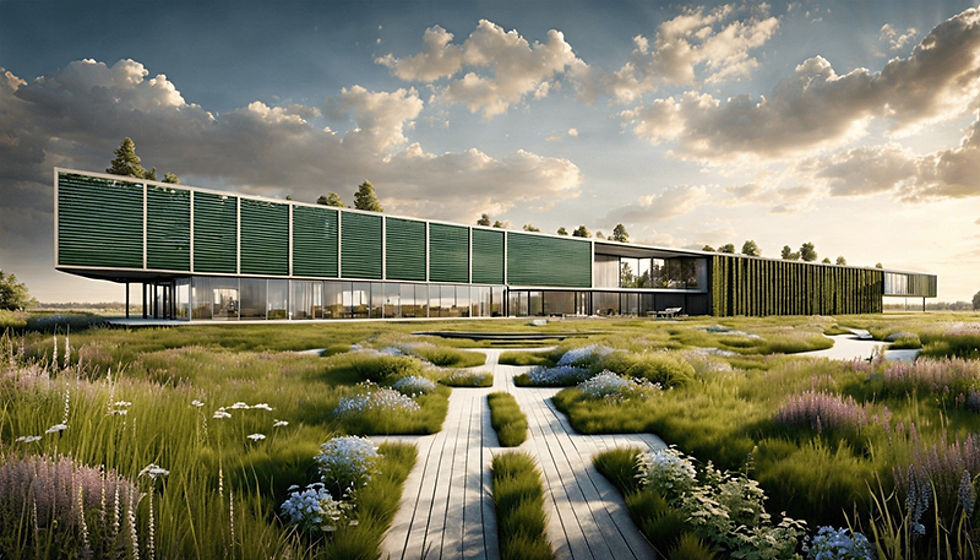
Green architecture, or sustainable architecture, aims to reduce the negative environmental impact of buildings. It uses strategies like energy efficiency, sustainable materials, and renewable energy sources.
Integrating Sustainable Design in India
The objective is to design structures that integrate seamlessly with their environment and promote a healthier setting for both residents and the planet. In the Indian context, this can be particularly impactful given the diverse climatic conditions and the pressing need for sustainable development.
Benefits of Sustainable Practices
For instance, according to the U.S. Green Building Council, buildings with LEED (Leadership in Energy and Environmental Design) certification use up to 30% less energy compared to traditional buildings. This illustrates how sustainable practices can result in significant energy savings and aid in addressing climate change. In India, adopting similar green building standards can lead to:
Reduced energy consumption
Lower operational costs
Improved indoor air quality
Enhanced biodiversity through eco-friendly landscaping
Conservation of water resources
Local Adaptations for Sustainability
To effectively implement sustainable design in India, it is crucial to consider local materials, cultural practices, and climatic conditions. This includes:
Utilizing locally sourced materials to reduce carbon footprints
Incorporating traditional architectural techniques that enhance natural ventilation
Implementing rainwater harvesting systems to manage water resources
Designing for solar energy harnessing to meet power needs
By embracing these principles, India can pave the way for a sustainable future that benefits both its people and the environment.
The Principles of Sustainable Architecture
Sustainable architecture is guided by several fundamental principles:
Energy Efficiency: A foundational aspect of green architecture is the emphasis on designs that optimize energy use. For instance, a well-designed passive solar home can reduce heating costs by 50% or more by maximizing natural sunlight.
Sustainable Materials: The types of materials used in construction significantly affect sustainability. For example, bamboo, a fast-growing grass, is often used in flooring and cabinetry due to its renewability. Structures utilizing locally sourced materials can also cut down transportation emissions, averaging around 15% of the building’s total carbon footprint.
Water Conservation: Sustainable architecture prioritizes water conservation through methods such as rainwater harvesting systems and drought-resistant landscaping. Studies indicate that buildings using low-flow fixtures can save up to 30% on water usage compared to traditional plumbing systems.
Indoor Environmental Quality: Ensuring a healthy indoor environment is crucial. For example, using non-toxic paints and adhesives can improve air quality. Incorporating elements that connect occupants with nature, such as green walls and indoor plants, has been shown to enhance wellbeing and productivity by up to 15%.
The Reality of Contemporary Green Architecture
Despite the admirable principles behind green architecture, the reality can be more nuanced. Many buildings marketed as "green" may not fully embrace sustainable practices.
Greenwashing: A Growing Concern
One of the biggest challenges in green architecture is greenwashing. This occurs when companies exaggerate the environmental benefits of their projects to attract eco-conscious consumers.
For instance, a building might be labeled "green" simply because it includes energy-efficient light bulbs, while ignoring significant factors like overall energy use or construction waste management. This can lead to understandable skepticism among consumers and professionals, undermining the credibility of truly sustainable efforts.
The Role of Certifications
To address greenwashing, various certification systems have emerged. Programs like LEED and BREEAM (Building Research Establishment Environmental Assessment Method) provide a framework for assessing the sustainability of buildings.
These certifications evaluate factors such as energy efficiency, water usage, and material selection, offering architects and builders a way to demonstrate their commitment to sustainability. For example, LEED-certified buildings are reported to use an average of 34% less energy and 20% less water than standard buildings. However, critics argue that the effectiveness of these certifications can vary and may not fully capture a building’s environmental impact.
The Future of Green Architecture
As demand for sustainable buildings continues to rise, the future of green architecture looks promising. Architects, builders, and civil engineers must stay committed to genuine sustainability, ensuring their projects go beyond superficial "green" features.
Innovations in Sustainable Design
Emerging technologies and innovative design methods are paving the way for future sustainability in architecture. For example, the development of self-healing concrete, which can repair its own cracks, has the potential to extend the lifespan of buildings and reduce maintenance costs significantly.
Additionally, incorporating smart building technologies can optimize energy use, with systems managing lighting, heating, and cooling automatically based on occupancy. Reports from the Global Environmental Consultants indicate that buildings equipped with smart technologies can achieve an energy saving of up to 40%.
A Path Toward Genuine Sustainability
In summary, contemporary green architecture presents a complex landscape filled with possibilities and pitfalls. While it holds the promise of creating a more sustainable built environment, the risks of greenwashing and certification variability can obscure its true impact.
Architects, builders, and civil engineers must remain dedicated to sustainability and seek out solutions that prioritize the health of the planet. By doing this, the industry can move past trendy labels and work towards a future where sustainable architecture is a standard, not an exception.

As the conversation around sustainability continues to evolve, it is vital for professionals in the field to engage with these crucial ideas and contribute to a future that values genuine sustainability. The journey toward true sustainability in architecture requires collective effort and shared commitment. By embracing innovation and focusing on real sustainable practices, the architecture industry can ensure that contemporary green architecture evolves into a lasting commitment to the environment and future generations.


Comments