Learning from USA’s Data Centre Mistakes: Lessons for India’s Growing Boom

India is racing to build hundreds of data centers by 2030. Companies like AWS, Microsoft, Google, Adani, and Yotta are rapidly expanding in Mumbai, Chennai, Hyderabad, Bengaluru, and Greater Noida. But history from the US shows a clear warning: placing these noisy, power-hungry facilities too close to homes and farms creates serious problems.
What Went Wrong in the US?
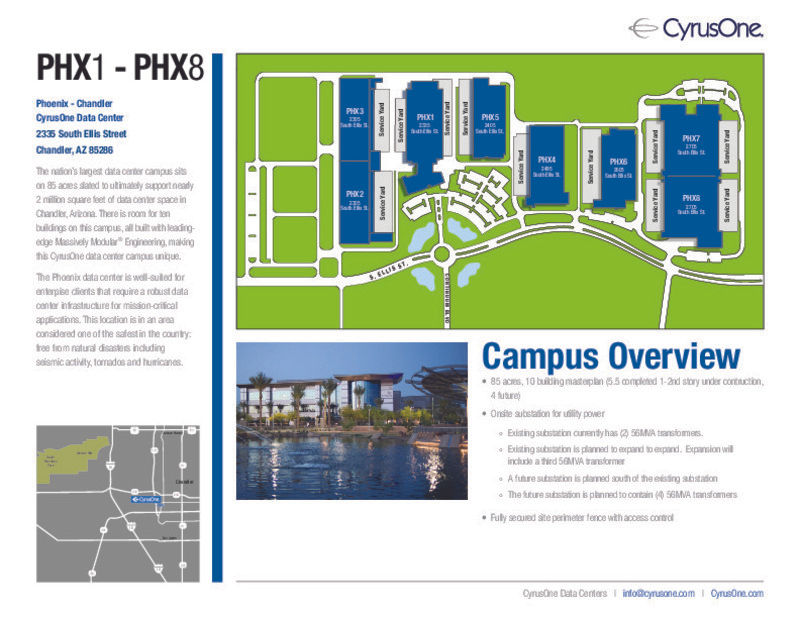
In Chandler, Arizona, a data center built in 2014 sits right next to the Brittany Heights neighborhood. Residents have complained for over a decade about constant low-frequency humming from cooling fans and generators. The sound causes anxiety, sleep loss, headaches, and stress. After years of fights, the city tightened zoning rules in 2022 and rejected new projects in 2025.
Northern Virginia has 199 data centers – many within 200 feet of homes. The nonstop hum is so common that locals call it “the sound of data.” Similar complaints appear in Texas, Wisconsin, Illinois, and Mississippi, where people report the same health effects.
Here’s what that proximity looks like in Chandler:
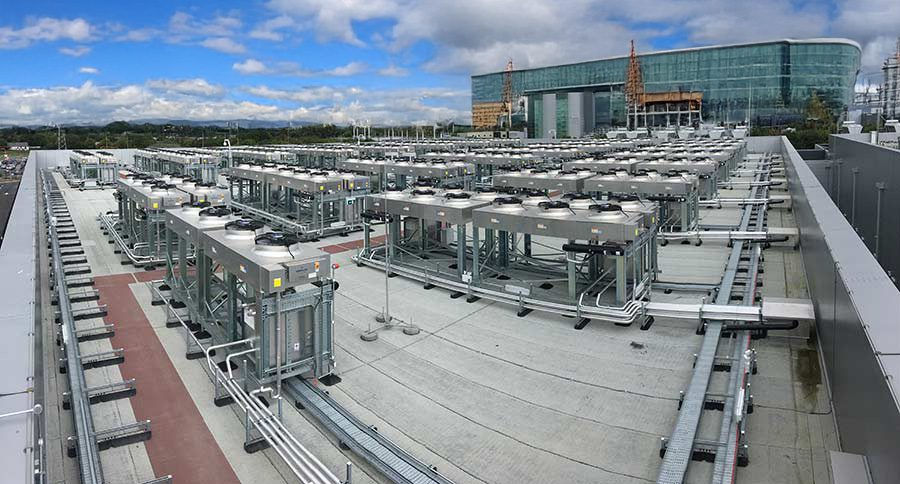
And this is where the noise actually comes from – massive arrays of rooftop cooling fans:
The Design Mistakes
- Placing industrial-scale cooling equipment too close to residential zones.
- Treating data centers like regular offices in old zoning laws.
- Relying on loud air-cooled systems instead of quieter alternatives.
- No mandatory acoustic barriers or large buffer zones.
India Is Following the Same Pattern
Early signs are already here. In Telangana, farmers and locals protest Microsoft and Amazon sites over land use and waste dumping. In Andhra Pradesh, Google’s project faces pushback for taking agricultural land with paddy fields and orchards. Mumbai neighborhoods near data centers report coal plant pollution tied to the extra power demand. Online discussions mention humming noise concerns, though not yet as widespread as in the US.
India’s zoning rules are still fragmented and state-specific. Many projects get fast-tracked with incentives, but strict noise buffers or health impact studies are often missing.
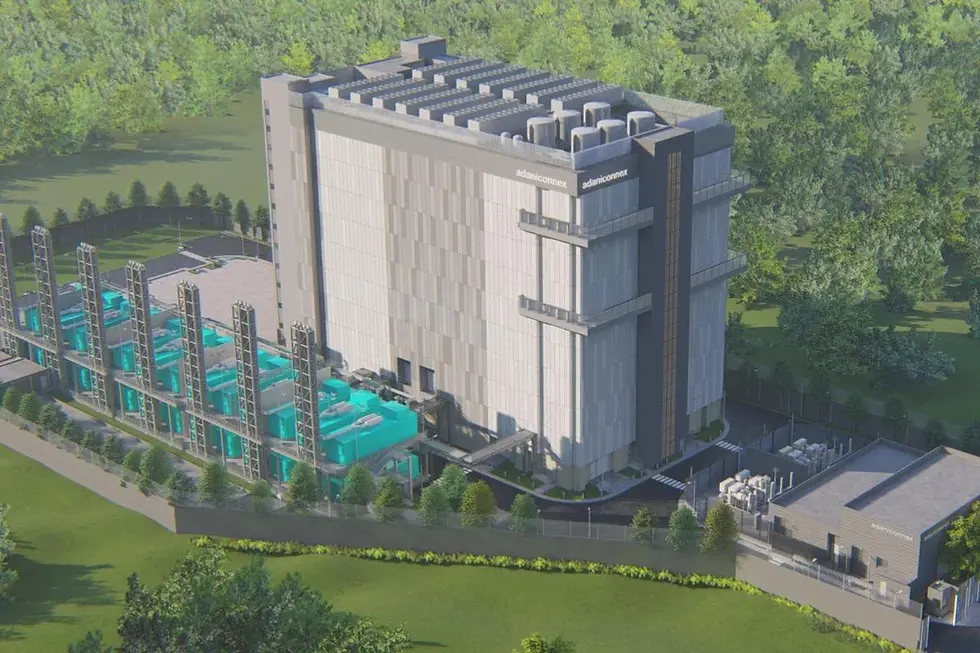
Here’s how a modern Indian data center campus looks:
What Proper Design Looks Like?
Successful fixes from the US and Europe are simple but effective:
- Enclose noisy generators and fans in acoustic shrouds and barriers.
- Keep at least 500–1000 feet between cooling equipment and homes.
- Use natural berms, dense tree buffers, and sound walls.
Here’s a real acoustic barrier wall in action:

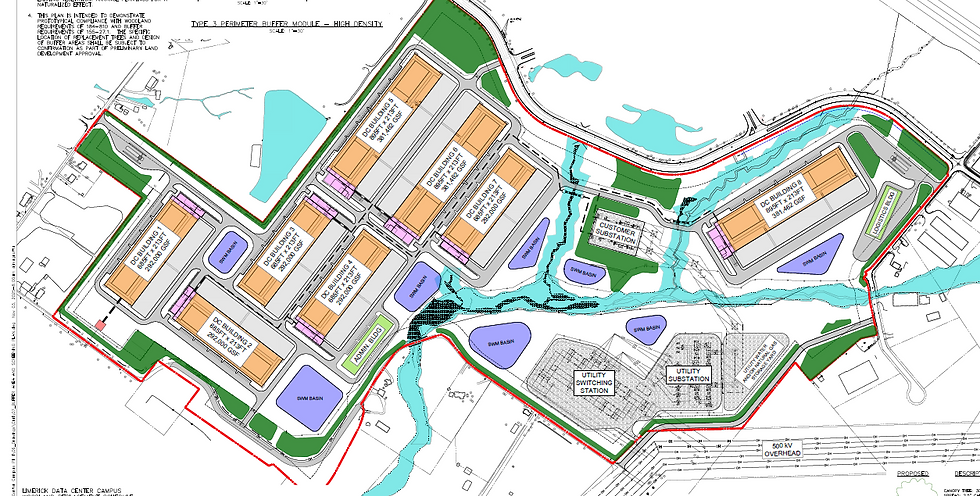
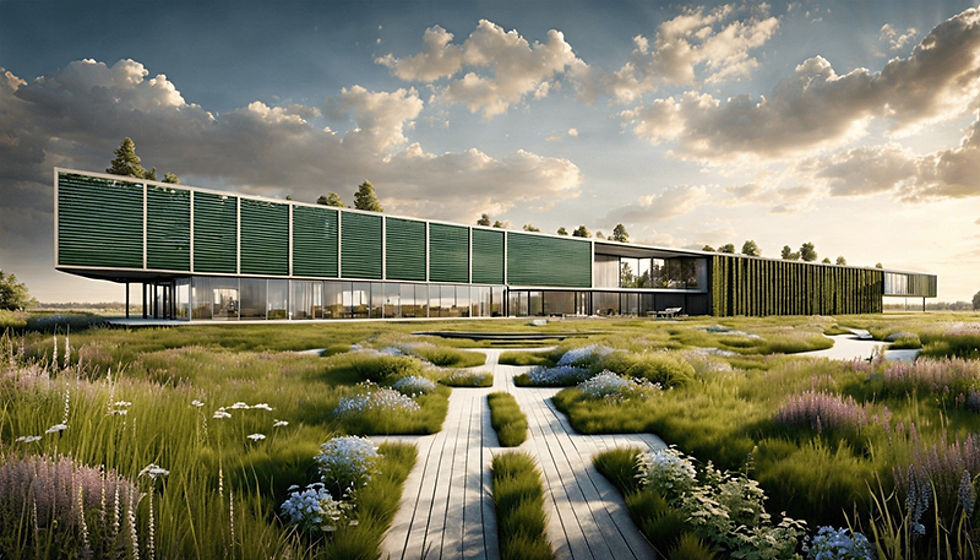
And this campus plan shows proper green buffers and separation from nearby areas:
The Way Forward for India
We still have time. Treat data centers as heavy industry, not regular commercial buildings. Mandate acoustic studies and minimum setbacks before approval. Encourage waste heat reuse and quieter liquid cooling systems. Protect farmland and residential zones with clear buffer requirements.
If India learns from America’s mistakes now, we can grow our digital economy without making communities suffer from constant humming and lost peace. The technology is ready – the question is whether our planning will catch up.
Comments