Architectural narrative of Community Centers in India
- Thiru Ranga

- Aug 2, 2025
- 3 min read
Updated: Aug 4, 2025
Community centers are more than just buildings; they are vital spaces that enhance social connections and provide essential services to local residents. In India, the design of these centers reflects both the cultural background and the aspirations of the community they serve. Utsav Bhavan is an outstanding example of how thoughtful architectural design can fulfill the needs of the residents while honoring environmental and cultural elements.
The Concept of Utsav Bhavan
Located in a lively urban area, Utsav Bhavan embodies both functionality and celebration—‘Utsav’ translates to ‘celebration’ in Hindi. This center welcomes people from diverse backgrounds for various activities, such as cultural events, educational workshops, and recreational gatherings.
The design of Utsav Bhavan emphasizes openness and accessibility, making it a perfect place for community interaction. For instance, it hosts over 100 events annually, including festivals and educational initiatives, which draw participation from thousands of locals, underscoring its role as a community hub.
Architectural Design Principles
Area Programs
The layout of Utsav Bhavan has been carefully designed to meet the individual needs of the local community. Here are some of its key features:
Multipurpose Hall: A spacious venue that can be used for everything from theatrical performances to community meetings, accommodating up to 300 people at a time.
Study Rooms: Quiet areas filled with local literature where residents of all ages can learn and grow. For example, it hosts weekly reading sessions that attract around 50 children each week.
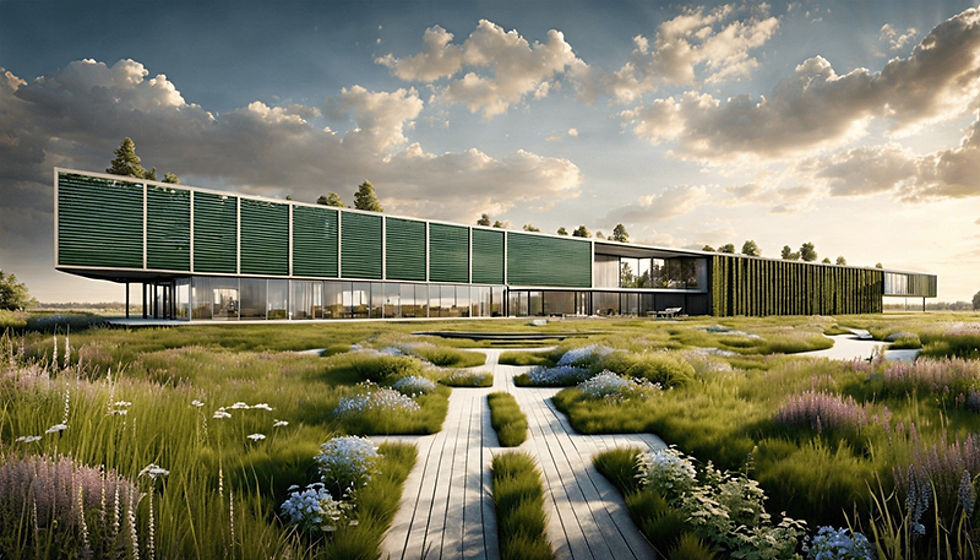
Outdoor Spaces: Beautiful gardens and courtyards allow community members to relax, have picnics, or celebrate local festivals. These areas not only enhance social interactions but also enrich the natural environment.
Administrative Block: This section effectively handles the daily operations of Utsav Bhavan, ensuring smooth communication between the management team and the community.
Utsav Bhavan is a catalyst for community bonding with a built-up area of approximately 25,000 square feet. Careful planning allows for ample natural light and ventilation, creating a comforting environment. For instance, studies show that natural light can improve well-being and productivity by about 15%. Features like green roofs and walls support sustainability and contribute to reducing energy costs by nearly 20%, fostering a healthier urban ecosystem.

Architectural Styles and Materials
Utsav Bhavan's architectural style merges contemporary design with traditional elements, showcasing local craftsmanship. The façade, built with stone and terracotta tiles sourced from nearby quarries, not only resonates with local aesthetics but also ensures durability.
The open-plan layout encourages natural movement between spaces. Large windows and skylights allow interior areas to bask in natural light, which enhances the atmosphere for learning and socializing.
Sustainability Initiatives
Recognizing the need for environmental responsibility, Utsav Bhavan has integrated several sustainability practices.
Rainwater Harvesting: The center’s systems efficiently manage and utilize rainwater, critical for maintaining the lush landscaping while lowering water bills by up to 30%.
Energy Efficiency: Solar panels on the roof provide approximately 40% of the center's energy needs, showcasing how well-designed architecture can contribute to sustainable energy usage.

Community Interaction and Feedback
For community centers to thrive, they must engage with residents. Utsav Bhavan organizes regular workshops and activity sessions that invite the community's input on upcoming projects and enhancements. This hands-on approach creates a sense of ownership among residents and allows the center to better match their evolving needs.
For example, quarterly surveys reveal that over 75% of community members feel their opinions are valued and acted upon. This feedback mechanism transforms Utsav Bhavan into a dynamic space that adapts to the requirements of its users each year.
Challenges and Considerations
Despite the successes of Utsav Bhavan, it faces several ongoing challenges.
Funding limitations can restrict the services available, and scheduling conflicts among various events may arise. Moreover, ensuring inclusivity for all community segments—particularly marginalized groups—requires consistent effort and attention.
The Role of Architects
The architects behind Utsav Bhavan were tasked with creating a space that encourages interaction while also offering areas for privacy. Finding the right balance between communal and solitary spaces is essential for catering to diverse community needs.
Designers must carefully blend user experience with aesthetic and functional elements. When done well, this mix creates a public space that residents truly appreciate and utilize.
Final Thoughts
Utsav Bhavan stands as a powerful example of how community centers in India can inspire architects and community planners around the world.
The specific architectural choices, from area programs to sustainability efforts, illustrate how public spaces can strengthen social bonds while honoring local heritage. As the needs of communities evolve, Utsav Bhavan exemplifies the importance of adaptable and responsive design thinking.
Through continued innovation and community participation, government community centers like Utsav Bhavan will significantly impact the quality of life for urban residents throughout India.


Comments